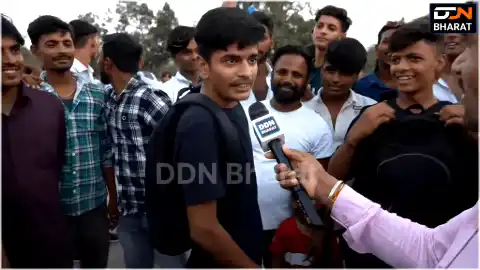
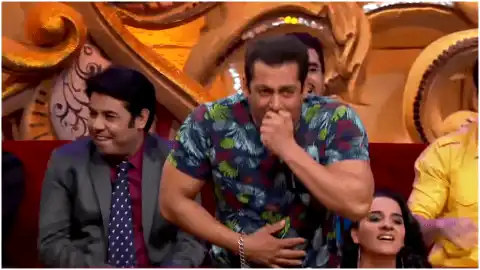
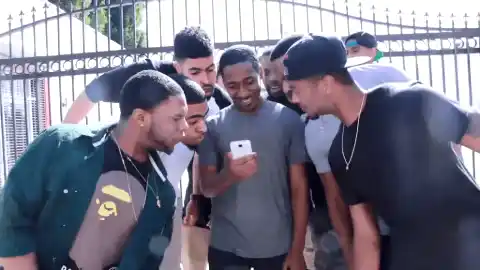
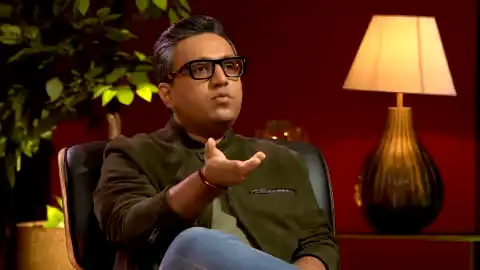
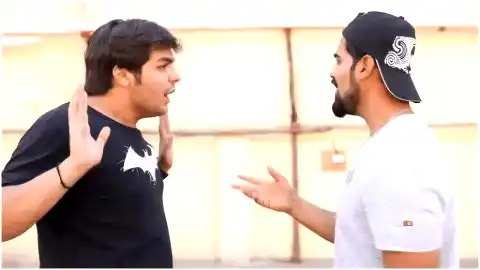
The rhetorical question “Agar hum kare toh kare kya, bole toh bole kya” first resonated across a public gathering in Jamshedpur on 23 March 2017. Spoken by social and political figure Amarpreet Singh Kale during a tribute event for martyrs, the line captured a moment of collective frustration and later evolved into a widely used reaction meme.
Last Updated: January 5, 2026
Table of Contents
The Speech at Agrico Maidan
The event was organised by Naman Shaheedon Ke Sapno Ko, a socio-cultural organisation founded by Amarpreet Singh Kale. Held at Agrico Maidan in Jamshedpur, Jharkhand, the programme was dedicated to honouring the sacrifices of soldiers and fostering national pride among the youth. Kale addressed the gathering with a speech that lasted approximately fourteen minutes and forty-six seconds.
Towards the end of his address, he articulated a sentiment of helplessness. He described a situation where people feel unheard whether they act or remain silent. The words that followed became the core of the meme: “Agar hum kare toh kare kya, bole toh bole kya, hamari awaaz kaun sunne wala hai.” Translated, the line asks, “If we do something, then what should we do? If we speak, then what should we say? Who is going to listen to our voice?” The frustration was genuine and unscripted, and that raw quality is what later made the clip relatable across entirely different contexts.
The Official YouTube Upload
The full speech was uploaded to the official YouTube channel of Amarpreet Singh Kale on 14 April 2017. The channel, operating under the handle @amarpreetsinghkale5611, was created on 16 March 2017 and identifies Kale as a social worker and politician in its description. The original video remains publicly accessible in its complete length.
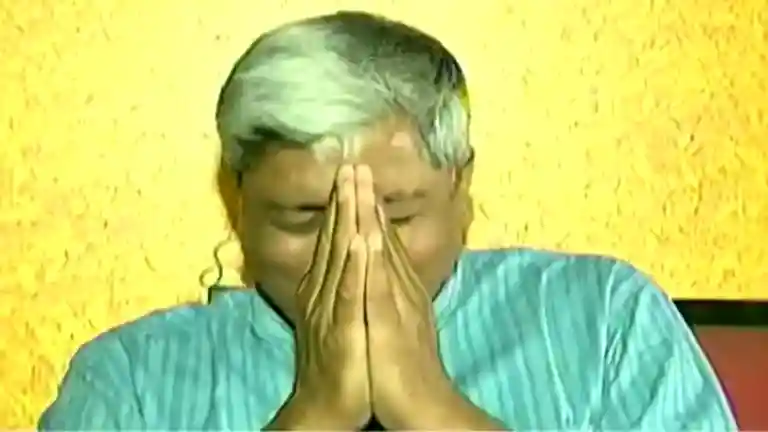
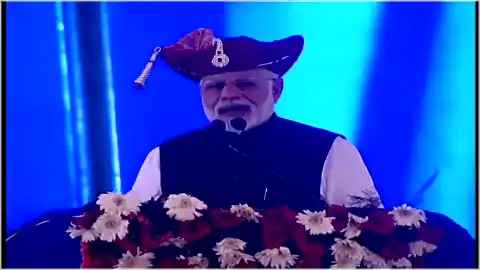
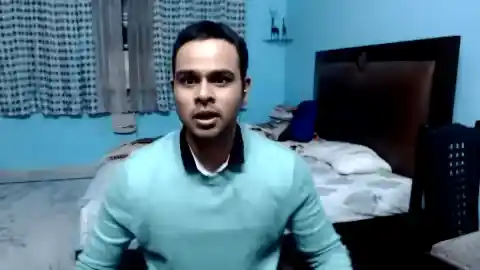
The Agar Hum Kare Toh Kare Kya Bole To Bole Kya original clip is an unedited extract from that upload. No third-party edits or re-uploads were used. The file is preserved in genuine 1080p resolution, matching the native quality of the recording. No upscaling, colour correction, or audio processing has been applied. The video poster captures Amarpreet Singh Kale mid-sentence, one hand raised, his expression fixed in the earnestness of the moment.
The Meme’s Transition to Internet Culture
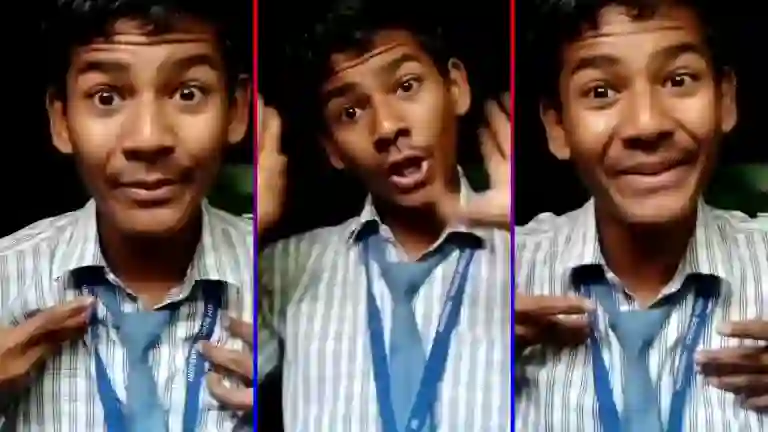
Audiences began isolating the closing segment and placing it into reaction videos, commentary edits, and short-form content. The question “If we do, then what do we do? If we speak, then what do we say?” proved versatile. It functioned as a caption and a sound bite for moments of deadlock, bureaucratic absurdity, or personal frustration. The line required no visual context to land; the tone of voice alone conveyed the message.
A second clip from the same speech, “Hamari awaaz kaun sunne wala hai,” circulated alongside it. Both are drawn from the same event and the same recording. The two clips are often treated as companion pieces, but they originate from a single, continuous address.
Why the Phrase Endures
The meme remains in rotation because the feeling it expresses has not disappeared. The original speech was rooted in a specific civic moment, but the question it posed is broad enough to apply to countless situations. People continue to use the clip when they encounter systems that do not respond, conversations that go in circles, or efforts that seem to lead nowhere. The 1080p file remains the reference version for those seeking the unaltered source.